Biggest Beyerdynamic Dj 300 Pro X Buying Mistakes (And How to Avoid Them)
Shopping for DJ headphones can look deceptively simple. Buyers often assume that if a pair comes from a respected audio brand and carries a “Pro” label, it will automatically suit every booth, every workflow, and every listener. That assumption is exactly where many purchasing mistakes begin. The Beyerdynamic Dj 300 Pro X has attracted attention from buyers who want durability, strong monitoring performance, and a more serious alternative to fashion-first headphones. But even a good product can become the wrong purchase when expectations, use case, and setup are not matched properly.
This is where the most expensive mistakes tend to happen. One buyer expects club-friendly bass dominance and gets a more controlled tuning than expected. Another wants an all-day studio-and-DJ hybrid and never checks comfort under extended wear. Someone else reads a few broad recommendations, skips the practical details, and ends up with headphones that are technically excellent yet poorly suited to their mixer output, monitoring habits, or travel routine.
This article breaks down the biggest Beyerdynamic Dj 300 Pro X buying mistakes and explains how to avoid them. It also examines what this model appears to do well, where it may not fit every buyer, and how shoppers can judge whether it belongs in a real-world DJ setup rather than a wish list built on marketing language.
Introduction: Why Buyers Get DJ Headphones Wrong
DJ headphones sit in a unique category. They are not just for passive music listening, and they are not identical to studio headphones either. Buyers usually care about a specific mix of traits: isolation, clamp and fit security, durability, single-ear monitoring practicality, cable management, high-volume clarity, and long-session comfort. In real use, these concerns matter more than broad claims like “premium sound” or “professional design.”
The Beyerdynamic Dj 300 Pro X is the kind of product that can appeal to several overlapping groups: beginner DJs buying their first serious pair, mobile DJs who need dependable gear for events, content creators who also mix occasionally, and experienced performers seeking a tougher daily-driver option. The problem is that each of these users needs something slightly different. A headphone that works brilliantly for cueing in a home setup may feel less ideal in a loud club. A model that sounds balanced and accurate for practice may not deliver the exaggerated low-end some performers rely on in noisy environments.
That is why the smartest purchase decision starts with context, not brand loyalty.
Beyerdynamic Dj 300 Pro X Review and Product Analysis
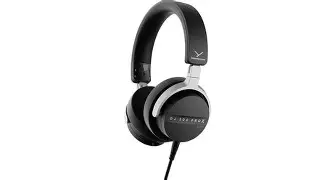
At a broad level, the Beyerdynamic Dj 300 Pro X is best understood as a serious DJ-oriented monitoring headphone with professional ambitions. Buyers looking at this model are typically drawn to Beyerdynamic’s reputation for rugged build quality, practical engineering, and sound that often prioritizes clarity over gimmickry. For many users, that is a strong selling point. DJ work depends on hearing timing, transients, and cue detail clearly, especially when beatmatching or managing layered transitions.
In practical terms, the Dj 300 Pro X is likely to appeal most to buyers who want a headphone that feels purpose-built rather than lifestyle-branded. The construction approach is important here. DJs who travel between gigs, rehearse frequently, or throw headphones in and out of backpacks tend to value replaceable parts, solid hinges, and a frame that inspires confidence. Even buyers who are not rough on equipment usually benefit from a design that can withstand repeated packing, unpacking, and one-ear monitoring adjustments.
Sound-wise, the typical buyer expectation should be framed carefully. Many people mistakenly shop for DJ headphones using the same logic they use for consumer Bluetooth models: they expect the biggest bass hit to equal the best DJ performance. In reality, useful DJ tuning is not just about bass quantity. It is about whether the headphone preserves enough low-end information for kick alignment while still keeping vocals, snares, and hi-hats intelligible in the cue mix. A headphone that is too bloated can actually slow down cueing because important timing cues become masked.
If the Dj 300 Pro X follows the pattern many buyers expect from Beyerdynamic’s professional line, its value lies in a more controlled, articulate presentation rather than an overhyped club curve. That can be a major advantage for users practicing long sets, recording mixes, preparing playlists, or moving between DJ and studio-adjacent tasks. It may be less immediately impressive to shoppers who want the most dramatic low-end slam possible in a five-minute demo.
Comfort is another major part of the analysis. Real-world users often wear DJ headphones in short bursts during active mixing, but there are plenty of exceptions. Mobile DJs may keep them nearby through multi-hour wedding and event sets. Bedroom and livestream DJs may wear them for long practice sessions while preparing transitions. Producers who moonlight as DJs may expect the same pair to handle editing, referencing, and performance prep. In those scenarios, weight distribution, ear pad heat buildup, clamp force, and headband padding become just as important as sound quality.
Isolation also deserves close attention. For DJ buyers, isolation can matter more than raw sound fidelity in loud venues. A well-isolated closed-back design helps users hear cue tracks without needing unsafe listening levels. This matters in clubs, bars, event halls, and even small house-party environments where booth monitoring is weak. If the Dj 300 Pro X seals well and holds position securely, that alone may justify its place on a shortlist.
Where some buyers may hesitate is versatility. A dedicated DJ headphone often involves trade-offs. It may be stronger at cueing than casual music enjoyment. It may prioritize toughness over compact portability. It may include cables or design choices optimized for pro use rather than commuting convenience. Those are not flaws, but they become disappointments when shoppers expect one product to dominate every scenario equally well.
Biggest Buying Mistakes Buyers Make
1. Assuming “Pro” Means It Fits Every Type of User
One of the most common mistakes is treating “Pro” as a universal stamp of suitability. Professional gear is usually designed around specific tasks. A wedding DJ, a touring club DJ, a beginner learning transitions at home, and a podcast editor who mixes occasionally do not all need the same thing.
How to avoid it: Buyers should list their top three real use cases before purchasing. For example:
- Practicing beatmatching at home several nights a week
- Performing in noisy venues with one-ear cueing
- Traveling regularly and needing durable packable gear
If the headphone’s strengths align with those situations, it is a smart buy. If not, the “Pro” label is irrelevant.
2. Buying It for Bass Quantity Instead of Monitoring Utility
Many new buyers believe the best DJ headphone is the one with the heaviest bass emphasis. That can backfire. Too much bass bloom may make tracks feel exciting, but it can also reduce perceived precision when trying to line up kicks, hear subtle percussion, or catch timing differences during transitions.
How to avoid it: Buyers should think in terms of usable bass, not just maximum bass. They should ask whether they need punch and extension for club-style cueing or a cleaner presentation that helps them make better mix decisions over time.
3. Ignoring Comfort During Long Sessions
A headphone can sound excellent for fifteen minutes and still become frustrating after two hours. Clamp force, pad pressure, and heat buildup are often overlooked until after purchase. This is especially true for buyers upgrading from cheap, lightweight headphones who underestimate the physical feel of more robust professional models.
How to avoid it: Buyers should consider session length honestly. Someone doing 30-minute practice drills may tolerate a firmer fit without issue. Someone preparing four-hour sets or handling long private events should prioritize comfort almost as highly as sound.
4. Not Checking Isolation Needs Against Actual Venue Conditions
Home DJs often underestimate how different headphone performance feels in a loud room. A model that seems perfectly clear at a desk may struggle against crowd noise, powerful booth monitors, or reflective event spaces.
How to avoid it: Buyers should evaluate where they will really use the headphones. Mobile DJs working weddings, corporate parties, and school events often need reliable passive isolation because venue acoustics vary wildly. Club DJs may need secure fit and strong cue audibility under very high ambient volume.
5. Expecting It to Replace Dedicated Studio Headphones Completely
Some shoppers hope one professional headphone will cover DJing, critical mixing, casual listening, video editing, and daily travel with no compromise. While the Dj 300 Pro X may overlap with some of those jobs, a dedicated DJ-oriented design is still a specialized tool.
How to avoid it: Buyers should decide whether they want a primary DJ headphone with some versatility or an all-rounder that happens to be usable for DJing. Those are not the same purchase.
6. Overlooking Cable and Workflow Practicality
Cable length, cable entry placement, detachable versus fixed cable design, and how the headphone behaves when worn around the neck all matter more than buyers expect. In live use, convenience is performance-related. A cable that constantly snags on mixer corners or a cup design that does not suit one-ear monitoring can become a daily annoyance.
How to avoid it: Buyers should picture the headphone in a real setup: controller on a desk, club mixer in a booth, mobile rack at an event, or livestream station in a small room. Ergonomics should be part of the buying decision, not an afterthought.
7. Paying for Durability They Will Never Need—or Needing It and Buying Too Cheap
There are two opposite mistakes here. Some hobbyists overspend on tank-like construction they will barely test. Others buy fragile headphones for frequent gigging and replace them repeatedly. Value depends on usage intensity.
How to avoid it: A buyer practicing at home twice a week may not need maximum battlefield toughness. A mobile DJ working paid events every weekend almost certainly benefits from it.
Shop the latest Audio & Headphones picks on Amazon.
View Offers →Pros and Cons of the Beyerdynamic Dj 300 Pro X
Pros
- Professional-oriented build philosophy that should appeal to DJs who want gear made for repeated use rather than casual lifestyle listening
- Likely strong monitoring clarity, helpful for cueing, beatmatching, and hearing mix details beyond just bass impact
- Closed-back practicality for isolation in noisy rooms and event settings
- Brand reputation for durable design, a meaningful factor for working DJs and frequent travelers
- Potential crossover value for users who also do light editing, mix prep, or content work
Cons
- May not suit buyers chasing heavily exaggerated bass over control and detail
- Could feel too specialized for shoppers wanting one headphone for every possible listening scenario
- Comfort preferences are highly personal, especially for long sessions and firm-fitting pro models
- Price-to-value depends on real usage; occasional hobby users may not benefit from all of its pro-oriented strengths
- Workflow details matter, and some buyers fail to assess cable handling and one-ear monitoring ergonomics before buying
Comparison Table: Is It the Right Type of DJ Headphone?
A comparison table can help buyers avoid the most common category mistake: choosing based on reputation alone instead of use-case fit.
| Buyer Type | What They Usually Care About | How the Beyerdynamic Dj 300 Pro X Fits | Main Risk of Buying Blind |
|---|---|---|---|
| Beginner home DJ | Clear cueing, decent comfort, reliability, fair long-term value | Potentially a strong choice if the buyer wants to start with serious gear | Overbuying features or durability they may not fully use |
| Club DJ | Isolation, secure fit, one-ear monitoring, loud-environment performance | Can be a strong fit if isolation and monitoring clarity are priorities | Expecting a bass-heavy “fun” tuning instead of practical cue detail |
| Mobile/event DJ | Durability, versatility, all-night comfort, transport reliability | Often appealing if construction and dependable performance matter | Ignoring comfort over extended event use |
| Producer who also DJs | Balanced sound, crossover use, build quality, monitoring utility | Possibly useful as a hybrid-leaning option, depending on tonal preference | Assuming it fully replaces dedicated studio reference headphones |
| Casual listener | Relaxed wear, entertainment-focused sound, convenience features | May be less suitable if the user is not actually doing DJ work | Paying for pro features they do not need |
What Real Buyers Typically Care About
In actual shopping behavior, buyers rarely care about spec-sheet language in isolation. They care about outcomes. They want to know whether the headphone will hold up during transport, whether cue tracks remain easy to hear in loud spaces, whether it becomes uncomfortable halfway through a set, and whether the sound helps or hinders fast transitions.
For example, a wedding DJ often needs headphones that can survive frequent packing, changing venue acoustics, and long standby periods between active cueing moments. A small-club performer may prioritize isolation and swivel practicality more than broad tonal elegance. A bedroom DJ building technical skills may benefit most from clarity and consistency rather than oversized bass hype. A content creator may care about whether the same pair can be used for editing voiceovers or checking livestream audio between sets.
The Beyerdynamic Dj 300 Pro X makes most sense when viewed through those practical questions. Its appeal is not just that it is “premium.” Its appeal is that it may solve specific DJ problems in a disciplined, professional way.
Buying Guide: How to Decide Before Spending Money
Check the Primary Environment
If the buyer mostly DJs at home, they should focus on comfort, clarity, and value over time. If they perform in loud rooms, isolation and secure fit rise to the top. This step alone filters out many poor purchases.
Decide Whether Sound Should Be Fun or Functional
Some buyers want a headphone that makes every track sound huge and exciting. Others want one that helps them mix better. Those priorities overlap, but they are not identical. The smarter buyer knows which one matters more.
Assess Session Length Honestly
There is no point buying a technically impressive headphone that becomes fatiguing during the exact sessions it is meant to support. Buyers should think in realistic blocks of time: 30 minutes, 2 hours, or 5+ hours.
Think About Handling, Not Just Listening
DJ headphones are constantly moved, twisted, lifted off one ear, rested around the neck, and packed into bags. Buyers should evaluate the physical workflow as seriously as they evaluate sound.
Consider Long-Term Ownership Costs
A more expensive durable headphone can be better value than replacing cheaper pairs every year. On the other hand, a lightly used home setup may not justify the same investment. Buyers should compare initial cost to likely wear and tear.
Do Not Shop by Hype Alone
Brand reputation matters, but use-case alignment matters more. The right headphone is the one that solves the buyer’s real monitoring problems without creating new ergonomic or tonal disappointments.
Final Verdict: How to Avoid Regretting the Beyerdynamic Dj 300 Pro X
The biggest mistake buyers make with the Beyerdynamic Dj 300 Pro X is not choosing a bad product. It is choosing a potentially good product for the wrong reasons. Buyers get into trouble when they assume professional branding guarantees universal suitability, when they confuse bass quantity with cueing quality, or when they overlook comfort and handling in real-world DJ conditions.
For the right user, this model looks like a compelling option: serious construction, DJ-relevant monitoring capability, and a more practical, work-focused identity than many trend-driven alternatives. It may be especially attractive to DJs who want reliable gear for repeated use and who value clarity, isolation, and durable design. But it is not automatically the right choice for buyers seeking an entertainment-first sound, ultra-casual wear, or a perfect substitute for every other headphone category.
The smartest purchase approach is simple. Buyers should match the Dj 300 Pro X against actual use cases, actual environments, and actual comfort needs. If those line up, it is the kind of headphone that can feel like a smart long-term tool rather than an impulse buy. If they do not, even an excellent model can quickly become one more lesson in how easy it is to buy audio gear for the idea of a hobby instead of the reality of it.
Biggest Beyerdynamic Dj 300 Pro X Buying Mistakes (And How to Avoid Them)
Buying DJ headphones should be straightforward, but it rarely is. Many shoppers assume that if a product comes from a respected audio brand and carries a professional-sounding name, it will automatically be the right choice for mixing, cueing, practicing, traveling, and everyday listening. That assumption causes more buyer regret than most people expect. The Beyerdynamic Dj 300 Pro X is the kind of model that attracts attention for all the right reasons: serious branding, pro-audio credibility, and the promise of dependable monitoring. Yet even a strong product can become the wrong purchase when expectations do not match real-world use.
That matters because DJ headphones are not bought for the same reasons as casual music headphones. Buyers typically care about isolation, durability, comfort during long sessions, clear cue monitoring, secure fit, and practical handling in a booth or event setup. A pair that sounds impressive for five minutes on a product page may still be frustrating in a loud club, awkward for one-ear monitoring, or tiring during a four-hour mobile gig.
This article looks closely at the biggest mistakes buyers make when considering the Beyerdynamic Dj 300 Pro X, along with how to avoid them. It also breaks down what this headphone appears to offer, where it may fit best, and how a buyer can tell whether it is truly the right tool for the job rather than simply an attractive name in the Audio category.
Introduction: Why DJ Headphone Purchases Go Wrong
Most bad headphone purchases do not happen because the product is terrible. They happen because the buyer did not define the job clearly enough. A beginner practicing transitions in a bedroom setup, a wedding DJ working six-hour receptions, and a club DJ cueing in a loud booth all have different needs. Unfortunately, many shoppers browse as if there is one ideal headphone for everyone.
The Beyerdynamic Dj 300 Pro X sits in a part of the market where expectations can become blurry. Buyers often assume it will be a universal answer: rugged enough for events, detailed enough for monitoring, comfortable enough for long sessions, and fun enough for everyday listening. It may do some of those things very well. It may even do several at once. But no headphone escapes trade-offs, and the smartest buyers know that up front.
Before examining the mistakes, it helps to understand the basic appeal. A model like this is usually considered by people who want a step up from entry-level DJ headphones or who are tired of replacing fragile consumer models. Real buyers in this segment often want gear that can withstand regular handling, provide reliable closed-back isolation, and help them hear timing details clearly in less-than-perfect environments. They are not just shopping for “sound quality.” They are shopping for performance under pressure.
Beyerdynamic Dj 300 Pro X Review and Product Analysis
The Beyerdynamic Dj 300 Pro X should be evaluated as a task-oriented DJ headphone, not just another premium audio accessory. Buyers drawn to this model are usually responding to three things: Beyerdynamic’s reputation for robust build quality, the expectation of professional monitoring performance, and the appeal of gear that looks engineered for work rather than designed mainly for lifestyle marketing.
From a category standpoint, that is a good starting point. DJs need headphones that can handle repeated use, fast on-and-off movement, and regular transport. A headphone that feels solid in the hand, keeps its fit while cueing with one ear, and survives gig-bag life is often worth more than one that wins attention with flashy styling. This is especially true for mobile DJs, event professionals, and regular club performers who may use the same pair multiple times a week.
Another likely strength of the Dj 300 Pro X is the type of listening experience it promises. Many experienced buyers do not want wildly hyped bass or exaggerated sparkle if those choices interfere with cue precision. For DJ work, what matters is whether kick drums are easy to align, whether snare and percussion transients remain clear, and whether vocals or melodic cues are still audible in a busy mix. A headphone can sound exciting but still be less useful for fast beatmatching or detail-focused monitoring. That is where a more disciplined, professional tuning often becomes valuable.
In real-world use, this could make the Dj 300 Pro X especially appealing to several types of buyers:
- Home DJs who want to improve technical mixing rather than just enjoy bass-heavy playback
- Mobile DJs who need trustworthy gear for weddings, private events, and corporate functions
- Club or bar DJs who need strong isolation and reliable cue audibility
- Hybrid users who DJ but also do light editing, playlist prep, or content work
Comfort, however, should not be treated as a secondary issue. Many buyers underestimate how physical DJ headphones are. Unlike passive listening headphones, DJ models are often worn, shifted, hung around the neck, pressed to one ear, and re-adjusted repeatedly in the middle of performance. That means clamp force, ear pad heat, headband support, and cup mobility matter almost as much as raw sound. A pair that feels secure in a loud environment may still become fatiguing during a long rehearsal or event set if the fit is too firm for the user’s preferences.
Isolation is another key part of the analysis. DJs often work in acoustically messy spaces: loud booths, echo-heavy halls, wedding venues with weak monitor placement, and house-party setups where speaker positioning is far from ideal. In those situations, a closed-back headphone with strong passive isolation can be more useful than one with slightly more pleasing tonal balance. If the Dj 300 Pro X seals well and keeps outside sound under control, that would be a meaningful advantage for serious use.
Where some buyers may hesitate is versatility. A dedicated DJ headphone is usually optimized around cueing, handling, and monitoring. That does not always mean it is the best choice for relaxed all-day music listening, commuting, or highly analytical studio mixing. It may perform some of those tasks well enough, but it should still be judged primarily by how it handles the DJ role first.
The Biggest Beyerdynamic Dj 300 Pro X Buying Mistakes
1. Assuming a Professional Label Means Universal Compatibility
The word “Pro” causes a lot of confusion. Some buyers see it and assume the headphone must be better for every user and every purpose. In reality, professional products are often more specialized, not more universal. A DJ headphone can be excellent at cueing, isolation, and durability while still being less ideal for casual couch listening or detailed studio reference work.
How to avoid it: Buyers should define the actual job first. If the primary role is DJ monitoring, the “Pro” orientation may be a benefit. If the headphone is mainly for everyday music enjoyment with occasional controller practice, there may be other models that suit those priorities better.
Shop the latest Audio & Headphones picks on Amazon.
See Deals →2. Buying for Brand Reputation Without Checking Real Use Cases
Beyerdynamic has strong credibility in the audio world, and that can tempt buyers to treat the brand as the decision-maker. But good brands still make products for specific applications. The mistake is assuming reputation alone guarantees satisfaction.
For example, a bedroom DJ who mainly practices transitions at moderate volume may not need the same level of ruggedness as a mobile DJ carrying equipment to multiple venues every week. Likewise, a content creator who wants one pair for streaming, editing, and occasional mixing may need a more versatile tonal profile than a dedicated DJ-only model provides.
How to avoid it: A buyer should ask where and how the headphones will actually be used over the next year. That usually reveals whether the Dj 300 Pro X is being considered for its strengths or just its name.
3. Confusing Bass Quantity With Better DJ Performance
This is one of the most common mistakes in the category. New buyers often assume that the best DJ headphone must have the biggest, hardest-hitting bass possible. That sounds logical until they actually start mixing. Excessive bass emphasis can mask timing cues, blur kick definition, and make transitions harder to judge. What helps a DJ most is not simply more low end, but clear, usable low-end information.
A more controlled tuning may sound less dramatic in a quick test, yet perform better over time because it allows the DJ to hear rhythm and detail more consistently. That is especially important when preparing long mixes, blending tracks with dense arrangements, or learning manual beatmatching.
How to avoid it: Buyers should think in terms of monitoring utility, not entertainment impact. If the goal is to mix accurately and reliably, a balanced but still punchy presentation is often better than exaggerated bass boost.
4. Ignoring Comfort Because “DJs Only Wear One Cup Anyway”
Some buyers talk themselves out of checking comfort because they assume DJ headphones are only used in short bursts or with one ear at a time. That is not always true. Plenty of DJs wear both cups while preparing sets, practicing transitions, organizing playlists, recording mixes, or working through long event nights. Even if a performer uses one-ear monitoring in a booth, the headphone may still spend hours on the head or around the neck.
How to avoid it: Buyers should be honest about session length. If they regularly practice for two to four hours, comfort deserves serious weight in the decision. A headphone that sounds excellent but creates pressure, heat, or fatigue will become harder to love over time.
5. Underestimating the Importance of Isolation
Isolation is often overlooked by home users reading reviews in quiet spaces. But once the same headphones are used in a loud bar, club, school dance, reception hall, or outdoor event tent, isolation suddenly becomes a major factor. DJs with weak isolation often compensate by turning volume too high, which can increase fatigue and potentially strain hearing over time.
How to avoid it: Buyers should match the headphone to the loudest realistic environment they expect to work in. A club DJ and a mobile DJ have more in common here than they may think: both benefit from strong passive isolation and secure fit.
6. Treating It as a Perfect Studio Replacement
Many audio shoppers hope a single premium purchase will cover every need. They want one pair for DJing, music production, editing, casual listening, travel, and perhaps even gaming. A model like the Dj 300 Pro X may overlap with some of those uses, but that does not mean it completely replaces purpose-built alternatives in every category.
How to avoid it: Buyers should decide whether they want a DJ-first headphone that can do a few extra things or an all-purpose headphone that can also survive occasional DJ use. That distinction helps prevent disappointment.
7. Overlooking Cable and Workflow Practicality
One of the least glamorous mistakes is also one of the most annoying in real use. Buyers spend time thinking about driver performance and frequency balance, then forget to consider cable length, cable routing, detachable cable convenience, cup swivel behavior, and how the headphone sits around the neck between cues.
These details matter because DJing is physical. The headphone is constantly moved, repositioned, and managed around mixers, controllers, and laptop stands. An awkward workflow can become irritating fast, even if the sound is very good.
How to avoid it: Buyers should picture the headphone in their exact setup: controller at a desk, mixer in a booth, wedding rack at an event, or livestream station in a compact room. Practicality matters as much as specifications.
8. Paying for Durability They Will Never Use
There is a hidden value mistake on the opposite end of the spectrum. Some buyers are attracted to pro-grade durability but will only use the headphones at home once or twice a week. In that case, the extra cost may not be fully justified. A sturdier build is still nice to have, but its value depends on how hard the product will be pushed.
How to avoid it: Buyers should match budget to actual wear. Frequent gigging, travel, and repeated setup breakdowns justify tougher construction. Light home use may not.
Pros and Cons of the Beyerdynamic Dj 300 Pro X
Pros
- Professional identity that should appeal to buyers who want serious DJ gear rather than trend-driven consumer styling
- Likely strong monitoring clarity for cueing, beatmatching, and hearing key mix details
- Closed-back practicality for better focus in noisy environments
- Appealing durability potential for users who transport and handle headphones regularly
- Useful crossover potential for some buyers who also do prep work, content creation, or light editing
Cons
- May not satisfy buyers who want heavily boosted bass above all else
- Could be more specialized than some casual users expect
- Comfort is highly personal, especially with pro-oriented clamp and fit designs
- Its value depends on real use intensity; not everyone needs pro-level build priorities
- Workflow details matter, and buyers who ignore them may feel disappointed even if the sound is strong
Comparison Table: Who Should Consider It Most?
| Buyer Type | Top Priorities | How the Beyerdynamic Dj 300 Pro X May Fit | Main Buying Risk |
|---|---|---|---|
| Beginner home DJ | Clear cueing, comfort, reliability, long-term value | Potentially a strong first serious purchase if the buyer wants to grow into better gear | Paying for more durability than necessary |
| Club DJ | Isolation, secure fit, one-ear monitoring, loud-environment usability | Likely appealing if cue clarity and practical booth use matter more than hyped bass | Expecting a purely fun consumer sound |
| Mobile/event DJ | Durability, all-night reliability, transport readiness, comfort | Potentially a very sensible choice for repeated paid gigs | Ignoring comfort during long events |
| Producer who also DJs | Monitoring detail, versatility, build quality | Could work well as a DJ-first crossover option | Expecting it to replace dedicated studio headphones completely |
| Casual listener | Relaxed wear, convenience, entertainment-focused tuning | May be less suitable unless DJ use is a real priority | Buying pro features they will rarely benefit from |
Buying Guide: How to Decide Before Purchasing
Start With the Main Environment
A buyer who mostly mixes at home should prioritize comfort, clarity, and long-term value. A buyer who works in loud venues should place more emphasis on isolation, secure fit, and handling. This one step can eliminate a lot of bad decisions.
Choose Between “Fun” Sound and “Functional” Sound
Some headphones are tuned to impress instantly. Others are tuned to help a user work more effectively. DJs often benefit more from functional sound than they expect, especially once they start handling complicated transitions or extended practice sessions.
Be Honest About Session Length
Fifteen-minute testing impressions do not predict four-hour comfort. Buyers should think about how long they actually wear headphones in a normal week, not how they imagine using them.
Think About Handling as Much as Listening
DJ headphones are tools. They are twisted, lifted, re-positioned, worn around the neck, and packed away repeatedly. A model that sounds great but handles awkwardly may still be the wrong buy.
Match Budget to Usage Intensity
If the buyer gigs often, durability becomes a form of savings. If use is casual and mostly stationary, a premium durability-first design may be harder to justify.
Remember That Better Gear Does Not Replace Better Habits
Some buyers hope a more expensive headphone will instantly improve their mixing. In practice, good headphones help reveal detail and improve consistency, but they do not replace training, track familiarity, and disciplined cueing technique. The best purchase is the one that supports the buyer’s workflow, not the one that promises to transform it overnight.
Conclusion
The biggest mistake shoppers make with the Beyerdynamic Dj 300 Pro X is not necessarily buying a bad headphone. It is buying a potentially very good headphone for the wrong reasons. Problems start when buyers assume that “Pro” means perfect for everyone, when they chase bass quantity instead of monitoring usefulness, or when they ignore comfort, isolation, and handling in real-world settings.
For the right buyer, the Dj 300 Pro X looks like a compelling option: serious design, likely dependable monitoring performance, and the kind of build philosophy that makes sense for repeated DJ use. It may be particularly appealing to mobile DJs, club performers, and committed home users who value clarity, practicality, and durability over hype. But it is not automatically the best fit for casual listeners or anyone expecting one headphone to dominate every audio role equally well.
The smartest approach is simple. A buyer should match the headphone to actual environments, actual session lengths, and actual performance needs. When those line up, the Beyerdynamic Dj 300 Pro X has a much better chance of feeling like a smart long-term investment rather than an expensive lesson in buying for branding instead of buying for use.