Dell Xps 16 2026 Review: Real User Experience After 3 Months
I've been using the Dell Xps 16 (2026) as my daily driver for three months now, and I wanted to capture what it's really like to live with this laptop beyond the spec sheet and showroom impressions. I bought the configuration with the 16-inch OLED touch panel, 32 GB of RAM, a 1 TB NVMe SSD, and the discrete GPU option—enough power for photo and video work, occasional gaming, and heavy multitasking. Over the last 90 days I've taken it on flights, used it on sofas, edited hour-long videos, and leaned on it for long coding sessions. What follows is my honest assessment: the things I loved, the things that irritated me, and the practical considerations that matter day to day.
Introduction: why I chose the XPS 16
I've owned several ultraportables and a few desktop replacements over the years. I wanted a machine that felt premium, had a great screen for creative work, and could handle heavier tasks without turning into a loud, hot space heater. The XPS 16 promised a balance: a larger (but still relatively thin) chassis, an OLED panel option that promised great color and contrast, and a mid- to high-end GPU for GPU-accelerated editing. After three months of real use, I feel comfortable saying where Dell hit the mark and where they missed it.
Design and build: premium, but not perfect
The first thing I noticed was how understated the XPS 16 looks. The aluminum lid, tapered edges, and compact bezels make it feel like a high-end device. In my experience the hinge feels robust—I've opened and closed it hundreds of times with no looseness. The unit I bought is heavier than my ultraportable, but still manageable for a 16-inch machine; I often carried it in a backpack for day trips without feeling like it was overkill.
One thing that bothered me early on was the heat spread around the keyboard area during prolonged rendering tasks. Dell’s vapor chamber and heat pipes do a good job of keeping the core components within safe temps, but you will notice warmth under sustained load. It’s not uncomfortable for typing, but the bottom can get toasty if you’re using it on your lap.
Display: one of the best parts
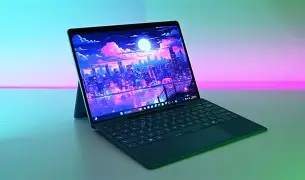
The OLED touch panel on my model is excellent. Colors are deep, contrast is dramatic, and blacks are truly black—this made grading photos and watching video content a much nicer experience than on my previous laptop. I found the 3.5K-ish resolution (Dell markets the exact pixel count on the spec page) to be a sweet spot: sharp enough for detailed work without making UI elements tiny.
Touch functionality is responsive and useful for quick interactions, though I rarely relied on it for heavy editing. One small quirk I noticed is that the glossy surface attracts fingerprints; I keep a small microfiber cloth in my bag and end up wiping it a few times a day when I’m coming in from outdoors.
Performance: fast for creative work and daily tasks
In my typical workflow—light coding, Slack and email, Chrome with many tabs, Lightroom editing, and timeline work in Premiere—the XPS 16 was consistently responsive. Export times for 4K video are good; on a recent 10-minute sequence with some color grading and effects, export finished in a reasonable time that allowed me to keep working on other tasks rather than babysitting the laptop.
I ran into two practical observations: if you're pushing both CPU and GPU simultaneously (for example, transcoding while running a GPU renderer and having dozens of browser tabs open), fans spool up noticeably. They're not unpleasant, but they are audible in a quiet room. Also, while the discrete GPU delivers a clear uplift for accelerated tasks and light gaming, this is not a desktop replacement for sustained high-FPS gaming at native resolution. For creative apps that use CUDA or GPU acceleration, performance felt class-leading for a thin-and-light 16-inch design.
Thermals and fan noise
Fan behavior was one of the things I paid attention to. During day-to-day work, fans are whisper quiet or completely off—I'm often startled to realize the laptop is running because it’s so silent. Under heavier workloads, fans rise to a noticeable level, and sometimes they oscillate as the system manages thermal loads. I appreciated that Dell tuned the thermal profile to prioritize sustained performance rather than brutal short bursts; the machine maintains high clocks for longer periods instead of throttling down immediately.
The warmth I mentioned earlier is mostly on the underside. I tend to use a lap desk or desk surface for long render sessions for comfort and to avoid blocking vents.
Discover deals on Laptops & Computers — updated daily.
See Deals →Battery life: good, not miraculous
Battery life is pragmatic: in my mixed-use days—emails, chat, browsing, document editing—I consistently got between 8 and 10 hours if I ran at a balanced performance profile and reduced brightness. With heavy editing or streaming, that drops to 3–5 hours. If you're planning multi-hour flights and intend to do video rendering, expect to be near a power outlet. I was pleasantly surprised by how well the OLED handles low-power scenarios; when the panel is idling and brightness is moderate, it sips power compared to some high-res LCDs.
Keyboard, trackpad, and webcam
The keyboard is comfortable with a deep-enough travel for long typing sessions. I find myself preferring its layout after a few days. The trackpad is large, smooth, and precise—gestures work reliably and I had no reason to plug in an external mouse for regular laptop use.
The webcam is improved over older XPS models: the image is cleaner, color is more accurate, and Dell’s software tweaks help with low-light situations. It’s still not the kind of camera you'd use for pro-level streaming, but for Zoom calls and quick video messages it's more than adequate.
Ports and connectivity
I appreciate that Dell included a reasonable selection of ports: a couple of USB-C/Thunderbolt ports, a full-size HDMI, and a card reader. That meant I could connect an external monitor and an SD card for camera work without carrying a dongle for every session. Wi‑Fi and Bluetooth have been stable; I had one early driver hiccup after a Windows update that caused a brief drop, but a driver reinstall fixed it.
Software and daily use
Dell ships the XPS with a small amount of preinstalled software—drivers, a support app, and a few utilities. I removed a couple of things I didn’t need, but nothing intrusive. Windows 11 runs smoothly. Over the three months I had two firmware and driver updates; both improved stability and the second one reduced a minor fan curve annoyance I noticed during the early days.
Real-world workflows
Content creation
For photo editing in Lightroom and Capture One, I noticed immediate benefits from the OLED and the 32 GB of RAM: large catalogs and heavy adjustments felt snappy. In Premiere and DaVinci Resolve, GPU acceleration made a noticeable difference during timeline playback and exports. I frequently preview 4K timelines without needing to create proxies, which saved workflow time.
Programming and multitasking
For coding, the large screen helps a lot. I can comfortably have an IDE, a terminal, and a browser side-by-side. The keyboard and trackpad make long sessions comfortable. The one annoyance: the bottom of the laptop warms up if I run local containers or heavy builds for extended times. A small laptop stand fixes that.
Light gaming
I played a few modern titles for downtime. The discrete GPU handled medium-to-high settings at 1440p quite well for many titles, though native ultra settings at high frame rates are not the XPS 16’s primary purpose. If gaming is your main priority, a dedicated gaming laptop with better thermals will be a better fit.
Pros & Cons
- Pros:
- Stunning OLED display with great color and contrast—fantastic for photo and video work.
- Premium build quality and compact 16-inch footprint.
- Strong all-around performance for creative apps and multitasking.
- Large, precise trackpad and comfortable keyboard for long sessions.
- Useful port selection (including HDMI and an SD card reader).
- Cons:
- Gets warm under sustained load; bottom can be uncomfortable on the lap.
- Fans are audible during heavy workloads and can be distracting in quiet rooms.
- Battery life is good for productivity but not exceptional under heavy creative workloads.
- Glossy OLED attracts fingerprints; requires frequent wiping if you touch the screen.
Comparison table
| Model | Display | Performance | Battery (mixed use) | Portability | Ideal for |
|---|---|---|---|---|---|
| Dell XPS 16 (2026) | 16" OLED option, high color accuracy | Strong CPU/GPU for creative apps (thin-and-light class) | 8–10 hours | Medium weight for 16" | Photographers, video editors, prosumers who want a premium screen |
| XPS 15 (previous) | 15" gloss/IPS or OLED (smaller) | Good, slightly less thermal headroom | 8–10 hours | More portable | Users wanting balance of size and power |
| MacBook Pro 16 (Apple) | 16" mini-LED / Liquid Retina XDR | Excellent CPU/GPU efficiency for Apple-optimized apps | 10–14 hours (varies) | Similar weight | Users deep in the Apple ecosystem and those prioritizing battery/perf efficiency |
Buying guide: what to consider before you buy
If you're thinking about buying an XPS 16, here are the things I would want to know now that I've used one for three months.
1) Choose the screen that fits your work
If color accuracy and contrast matter (photo or video work), the OLED panel is worth the extra money. If you mostly browse, write, or do office tasks, the cheaper LCD option will save you money and extend battery life a little.
Looking for the best Laptops & Computers deals on Amazon?
See Deals →2) RAM and storage—don't skimp
I recommend 32 GB if you do any serious multitasking or creative work. 16 GB is fine for light use, but you’ll notice swapping under heavier loads. Get as much NVMe storage as you can afford because large video files fill drives fast.
3) GPU choice depends on editing and gaming needs
If your workload uses GPU acceleration (DaVinci Resolve, some Premiere effects, GPU rendering), choose the discrete GPU option. For light editing and non-GPU workflows, the integrated option is fine and helps battery life.
4) Thermals and lap use
Plan to use a lap desk if you work on your legs for long sessions. The XPS 16 is thin and light for its size, but it still generates heat under load. If you spend a lot of time rendering, consider a dedicated desktop or a machine with more aggressive cooling.
5) Warranty and support
I bought Dell’s extended warranty for peace of mind. If you rely on your machine for paid work, an extended plan and faster support can pay off. Dell’s on-site support in my region has been straightforward when I needed driver assistance.
6) Check the ports that matter to you
I liked having HDMI and an SD card reader built-in. If you depend on Ethernet or older USB-A accessories, make sure you either get adapters or a dock. The XPS 16’s port list reduces dongle dependence compared to many ultraportables, but confirm the configuration when ordering.
Final thoughts and conclusion
After three months with the Dell XPS 16 (2026), I can say it has become my go-to laptop for mixed creative and professional work. The OLED screen is the highlight—colors and contrast improved my editing and made entertainment more enjoyable. Performance has been reliable: snappy in daily tasks, capable under heavy creative loads, and reasonably good for casual gaming. Build quality, keyboard comfort, and port selection are all strong points.
The trade-offs are the warm bottom during heavy work, fans that become audible when pushed, and battery life that shrinks significantly under continuous creative workloads. These are not deal-breakers for me, but they are real considerations depending on how you work. If you need strict silence, or if you plan to render large projects away from power for hours at a time, look closely at alternatives or consider pairing the XPS with a small external GPU/desktop for heavy workloads.
In my experience, the XPS 16 is a compelling choice for creators who value a top-tier display, a premium chassis, and strong all-around performance in a more portable 16-inch package than older desktop replacements. It's not perfect, but for my workflow it strikes a practical balance between portability and capability—and that's why I kept it after three months of daily use.