The Ultimate Showdown: Pc Monitor vs Ut7570 Ut75 Ut7590 for 2026
As we navigate the middle of 2026, the lines between traditional computing and living room entertainment are thinner than ever. Consumers frequently find themselves at a crossroads: should they invest in a dedicated PC monitor designed for high-performance tasks, or can a modern, versatile television like the Samsung UT75 series (encompassing the UT7570, UT75, and UT7590 models) serve as a superior all-in-one hub? This dilemma has intensified as display technologies have converged, with TVs gaining the low-latency features once exclusive to monitors, and monitors growing to sizes that rival small televisions.
The choice is not merely about screen real estate; it is about pixel density, color accuracy, ergonomic health, and the specific demands of a user’s workflow. In this detailed analysis, we break down how a standard PC monitor stacks up against the UT75 lineup to determine which provides the ultimate visual experience for 2026’s evolving digital landscape.
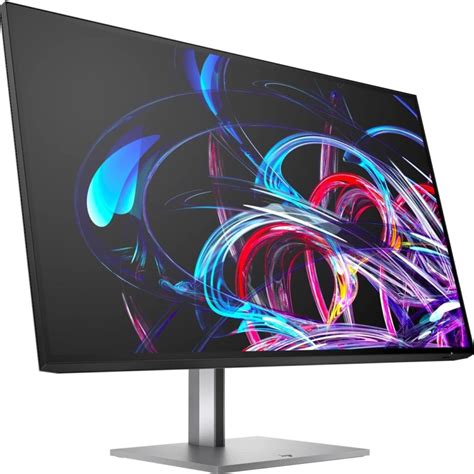
The Evolution of the PC Monitor in 2026
The PC monitor of 2026 is a far cry from the utilitarian office displays of a decade ago. High-end monitors today focus on specialized performance metrics. For creative professionals, this means 100% coverage of the DCI-P3 and Adobe RGB color gamuts, often with factory calibration reports. For gamers, it means refresh rates exceeding 240Hz and response times measured in fractions of a millisecond. The 2026 monitor market is dominated by OLED and Mini-LED technologies, providing deep blacks and searing highlights that make HDR content truly pop.
One of the primary advantages of a PC monitor remains its pixel density, often referred to as Pixels Per Inch (PPI). Because users sit typically 20 to 30 inches away from a monitor, high PPI is essential to ensure text remains crisp and fine details in photo editing or CAD software are visible without aliasing. A 32-inch 4K monitor offers a significantly higher PPI than a 55-inch 4K TV, which is a critical consideration for those who spend eight hours a day reading and writing code or documents.
Analysis of the Samsung UT75 Series (UT7570, UT75, UT7590)
The UT75 series represents the pinnacle of Samsung’s mid-to-high-tier LED offerings for 2026. While the specific model numbers (UT7570, UT75, UT7590) often vary by region or specific retailer-exclusive features, they share a core DNA of 4K Crystal UHD performance, enhanced by the latest AI-driven processors. The UT75 series is designed to be the centerpiece of a modern home, offering smart features that go far beyond simple video playback.
The UT7570 serves as the entry point into this premium bracket, focusing on exceptional brightness and consistent color reproduction. The UT75 sits as the balanced standard, while the UT7590 often includes more advanced local dimming zones or superior audio integration. In 2026, these TVs have integrated "Game Mode Pro" and "Workplace" features that attempt to bridge the gap with monitors. They support Variable Refresh Rate (VRR), Auto Low Latency Mode (ALLM), and even multi-view capabilities that allow a user to mirror their phone while playing a console game or participating in a video call.
For the average buyer, the UT75 series offers a "cinematic" feel that a monitor struggles to match. The sheer physical scale allows for a more immersive experience during movie nights or epic open-world gaming sessions. Furthermore, the inclusion of a robust Smart TV OS means the hardware functions independently of a computer, providing instant access to streaming services via voice command or remote.
Shop the latest TVs & Home Theater picks on Amazon.
Shop Amazon →Direct Comparison: Performance and Utility
When comparing a PC monitor to the UT75 series, the use case is the ultimate deciding factor. A monitor is a tool for precision; the UT75 is a tool for consumption and versatile entertainment. However, 2026 has seen the UT75 series make significant strides in "PC-like" behavior. With support for 4:4:4 chroma subsampling, the UT7570 and UT7590 can display text from a computer without the fringing or blurring that plagued older televisions.
The ergonomic factor cannot be ignored. PC monitors come with stands that allow for height adjustment, tilt, swivel, and often 90-degree rotation for vertical workflows. The UT75 series, by contrast, typically sits on fixed feet or is wall-mounted. This makes a TV less suitable for a standard desk setup unless the desk is deep enough to maintain a healthy viewing distance. Using a 50-inch UT75 at the same distance you would use a 27-inch monitor can lead to significant neck strain and eye fatigue due to the constant scanning of the large surface area.
Pros and Cons: PC Monitor
- Pro: High Pixel Density – Superior clarity for text-heavy tasks, programming, and detailed design work.
- Pro: Ergonomic Versatility – Adjustable stands allow for a healthy posture and customized viewing angles.
- Pro: Ultra-Fast Response Times – Essential for competitive gaming where every millisecond counts.
- Pro: Color Precision – Availability of wide color gamuts and hardware calibration for professional creative work.
- Con: Limited Size – Rare to find monitors over 42 inches that aren't prohibitively expensive.
- Con: High Cost Per Inch – Specialized technology makes large monitors much more expensive than equivalent-sized TVs.
Pros and Cons: UT75 Series (UT7570, UT75, UT7590)
- Pro: Immersive Scale – Larger screen sizes provide a vastly superior experience for movies and console gaming.
- Pro: All-in-One Entertainment – Built-in smart platforms, speakers, and tuners make it a standalone device.
- Pro: AI Upscaling – Advanced processors in the UT7590 excel at making lower-resolution content look sharp on a 4K panel.
- Pro: Living Room Flexibility – Modern slim designs allow these displays to double as digital art or central hubs.
- Con: Lower PPI – Text can appear less sharp than a monitor when viewed at close range.
- Con: Fixed Ergonomics – Requires specific furniture or wall mounting to achieve a comfortable viewing height.
Technical Comparison Table
| Feature | Premium PC Monitor (2026) | Samsung UT75 / UT7590 |
|---|---|---|
| Typical Sizes | 24" - 38" | 43" - 85" |
| Refresh Rate | 144Hz - 360Hz+ | 60Hz - 120Hz (Model dependent) |
| Interface | DisplayPort 2.1, HDMI 2.1, USB4 | HDMI 2.1 (Multiple ports), eARC |
| Color Gamut | Full sRGB / Adobe RGB / DCI-P3 | Dynamic Crystal Color (Optimized for HDR10+) |
| OS / Smart Tech | Basic OSD, requires OS input | Smart Hub with AI Gaming & Work Mode |
| Input Lag | < 1ms (GtG) | ~5ms to 10ms (Game Mode) |
2026 Buying Guide: Which Should You Choose?
Choosing between these two categories in 2026 requires an honest assessment of your daily habits. Technology has advanced to the point where the "wrong" choice isn't a disaster, but the "right" choice will significantly improve your quality of life and productivity.
The Case for the PC Monitor
If your primary goal is professional output, a monitor is non-negotiable. Whether you are an architect, a data scientist, or a competitive eSports player, the refinements in a PC monitor are tailored to your needs. In 2026, look for monitors that feature USB-C Power Delivery of 100W or more, allowing you to dock a laptop with a single cable. If you find yourself frequently working with multiple windows open side-by-side, a 34-inch ultrawide monitor offers a more seamless workflow than a large TV, as the aspect ratio is naturally suited to human peripheral vision at a desk.
The Case for the UT75 Series (UT7570, UT75, UT7590)
The UT75 series is the "lifestyle" choice. It is for the user who wants their display to do everything. If you live in an apartment where your desk and your sofa are in the same room, a UT7570 can function as a massive monitor during the day and a premier home theater in the evening. With the 2026 "Workplace" feature, you can even access your office PC remotely or use Microsoft 365 directly on the TV without a computer connected. This makes the UT7590 particularly attractive for those adopting a "lean-back" productivity style or for casual gamers who prefer the comfort of a couch over a gaming chair.
Factors to Consider
Viewing Distance: Measure your space. If you are sitting closer than four feet, a 55-inch UT75 will be overwhelming. If you are sitting further than six feet, even a 32-inch monitor will feel tiny and difficult to read.
Discover deals on TVs & Home Theater — updated daily.
View Offers →Lighting Environment: The UT75 series typically features high peak brightness to combat glare in sunny living rooms. While some monitors also offer high brightness, many professional panels prioritize matte finishes and color consistency over raw luminance, which might make them look "dim" in a very bright room.
Connectivity: Ensure your hardware matches the display. To get the most out of a UT7590's 120Hz capabilities or a high-end monitor, you need a GPU or console capable of HDMI 2.1 throughput. In 2026, this is standard on most new devices, but worth verifying for older hardware.
Conclusion
The "Ultimate Showdown" of 2026 reveals that neither the PC monitor nor the UT75 series is an absolute winner across all categories. Instead, they have evolved into specialized tools that occasionally overlap. The PC monitor remains the champion of the workstation, offering unparalleled density, ergonomics, and speed for those who view their screen as an extension of their cognitive process.
However, the Samsung UT75 series (UT7570, UT75, and UT7590) has successfully redefined what a television can be. It is no longer a passive "dumb" screen. With AI-enhanced visuals, low-latency gaming modes, and integrated productivity suites, it is a formidable competitor for anyone whose digital life revolves more around media, immersion, and versatile home use. For 2026, the buyer who seeks precision should stick with a monitor, while the buyer who seeks a centralized, high-impact entertainment hub will find the UT75 series to be an unbeatable value.